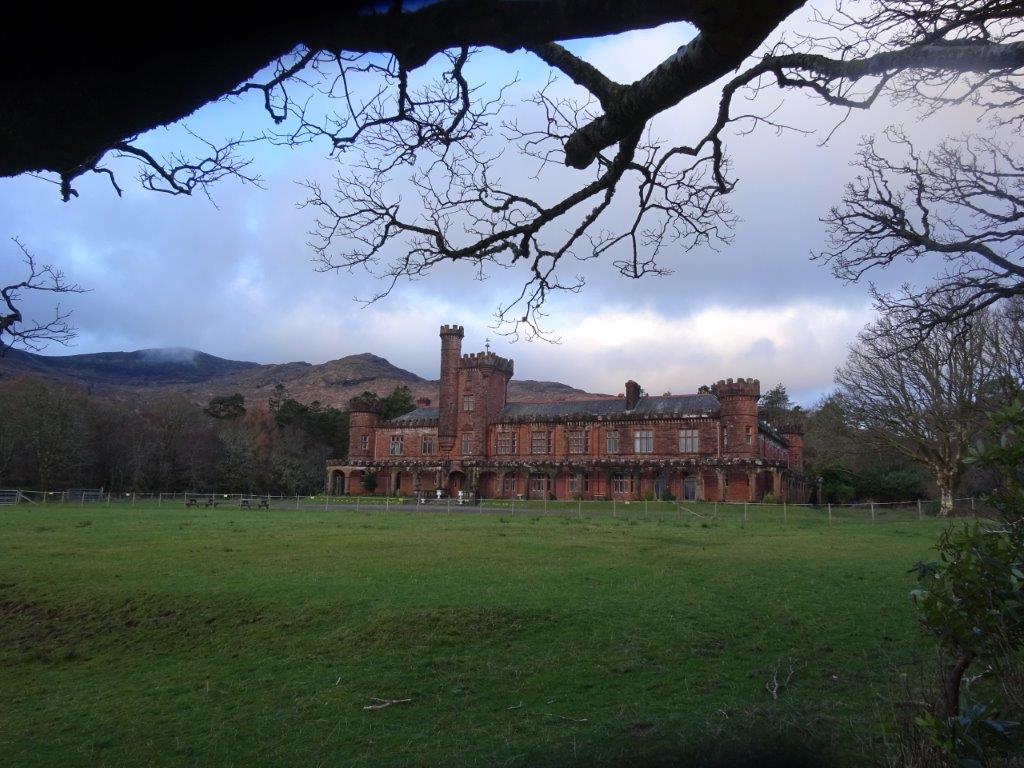
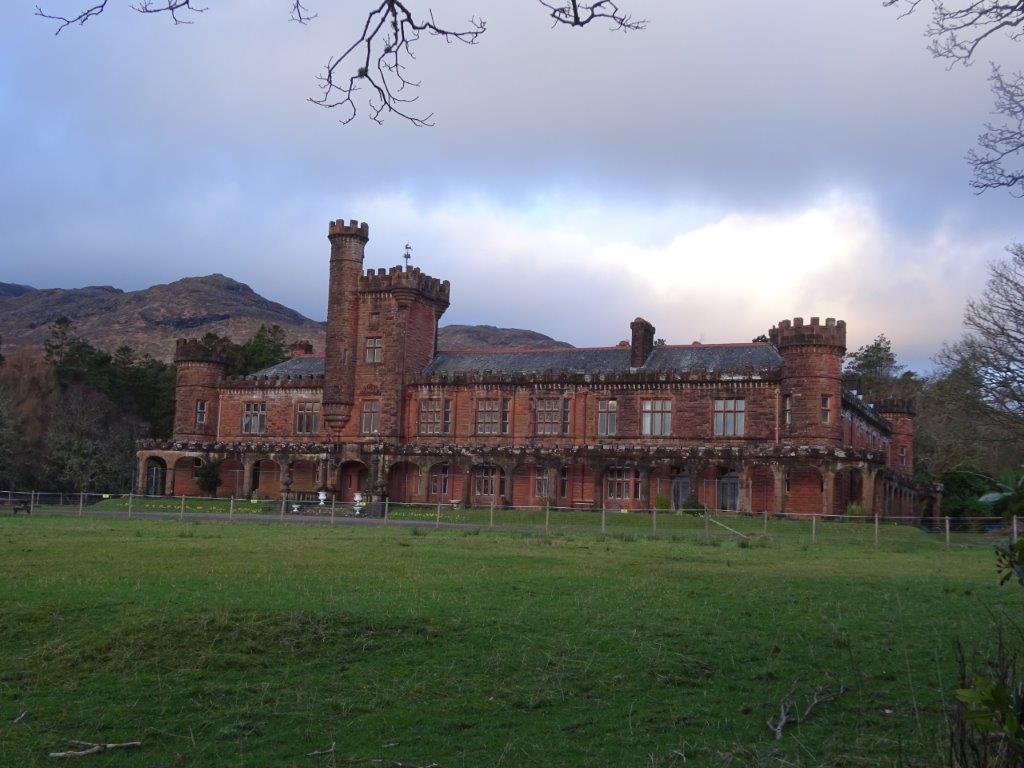
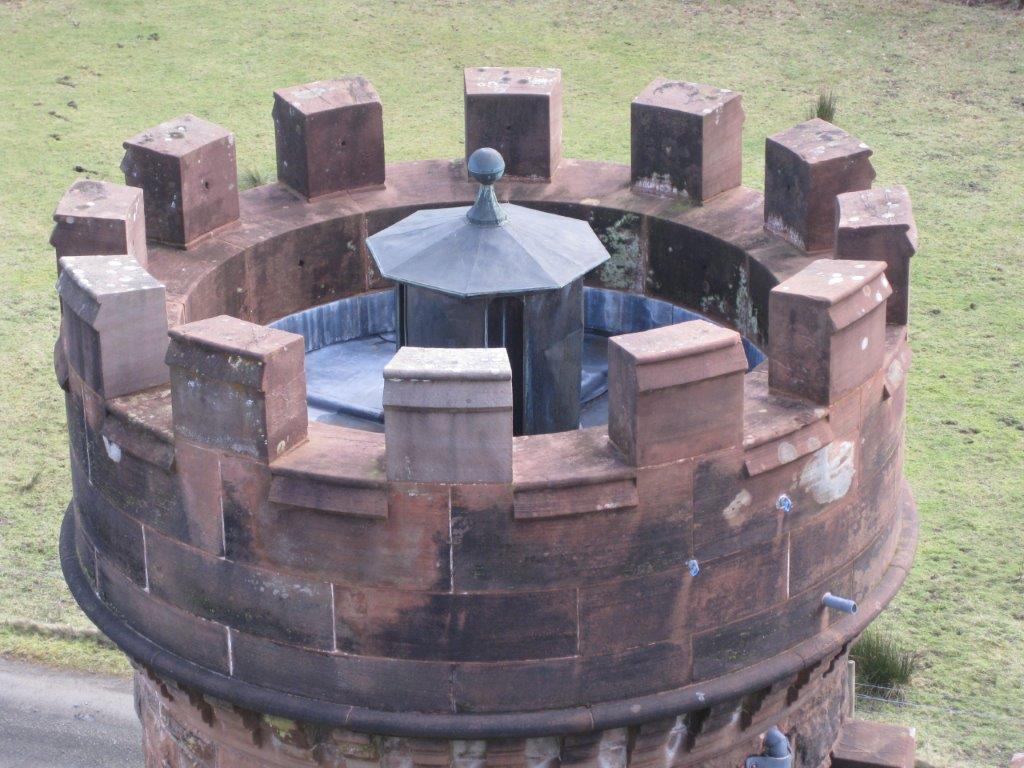
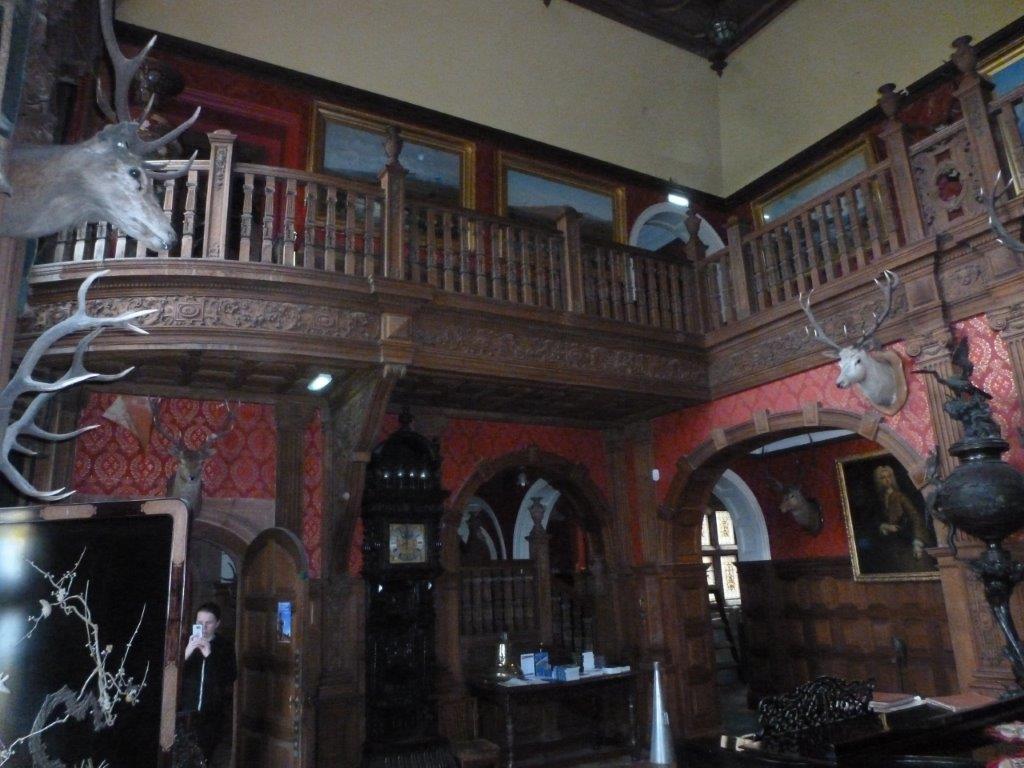
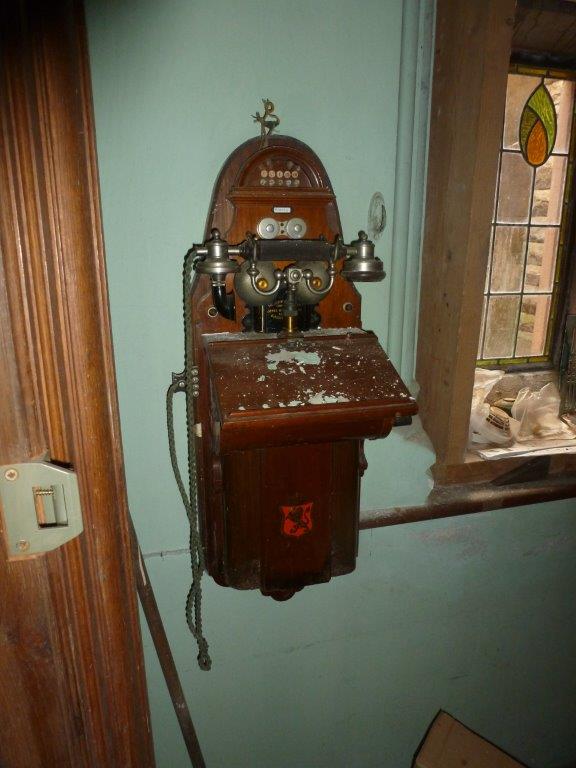
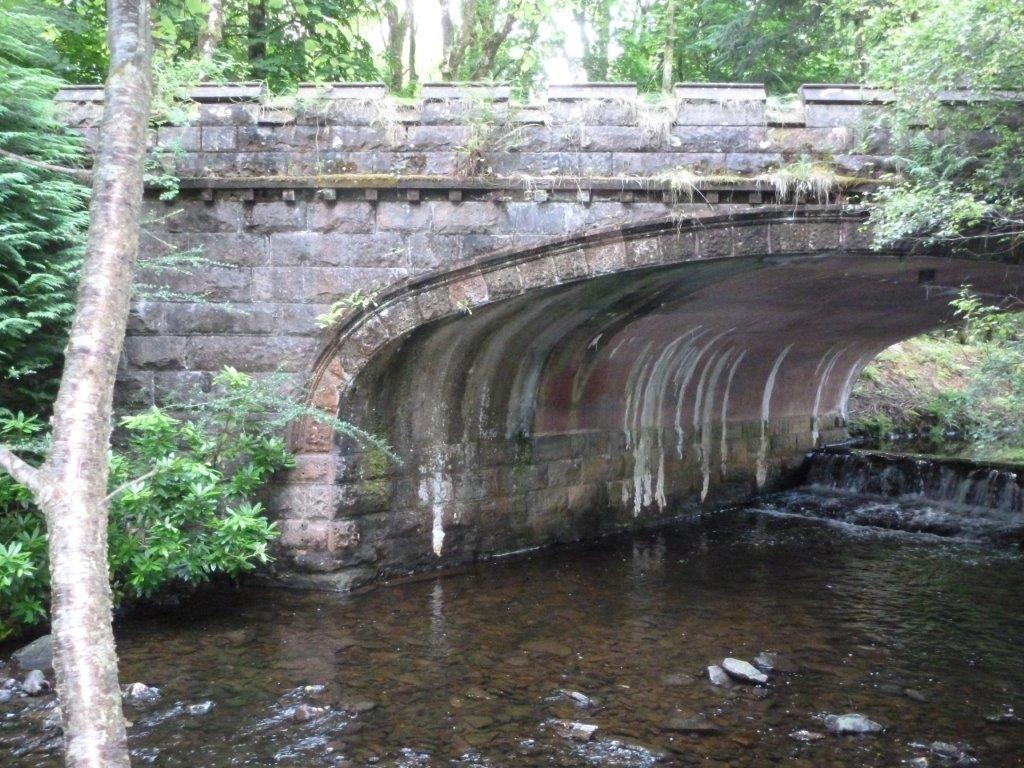
The names of a few great houses come up time and again when conservation specialists get talking. One such is Kinloch Castle on the Isle of Rum (built 1897-1900, Category-A). Play-house of unimaginably wealthy and eccentric industrialists, the Bullough’s (mass manufacturers of spinning and weaving machinery during Britain’s imperial century), and finished, furnished and equipped as befitted the most ambitious of Edwardian society hosts … the first house ever built to have electric light, its gardens made fertile with soil imported from Ayrshire. The island became George Bullough’s sporting retreat and the castle his party-piece. Seasonal guests included relatives, royalty, stalkers and showgirls – shipped to-and-fro by his private steam-yacht ‘Rhouma’. During its short-lived heyday its hothouses were so opulent they sustained a population of hummingbirds, with alligators lurking in pools beneath. The outbreak of WW1 brought the end of the party, the modernisation of industry, the democratisation of technology and the dissipation of wealth. After George’s death in 1937 the island was hardly visited and in 1957 his widow disposed of it to The Nature Conservancy, with contents intact – monogrammed hair-brushes left on dressing-tables, monogrammed cutlery on the sideboard, taxidermy around every corner, paintings undisturbed on every wall – to be used as a National Nature Reserve.

The successor body, Scottish Natural Heritage, is an uneasy custodian. Its purpose at odds with the builders’ and with no need for a castle or skills to look after it, Scottish Nature is gradually reclaiming the building. Vegetation sprouts from gutters and chimneys; moths flutter amongst the skins and silks; fungus creeps through the timbers. Some contents have been removed ‘for safekeeping’ and room-by-room the panelling is ripped out to track the progress of dry-rot. It’s a conservation specialist’s nightmare!
Formerly one of Scotland’s grandest houses, latterly with the rear wing used as a hostel for visitors to the island, Kinloch Castle ceased to be fit for occupation in 2012. It has deteriorated since and is prominent on the Register of Buildings at Risk.
Professor Ewan MacDonald and the Kinloch Castle Friends Association (‘KCFA’) may turn out to be Sir Lancelot and the Knights of the Round Table – last-gasp saviours of this legendary house. Their scheme restores the building to good health, provides 11 heritage suites and B&B beds for 42 visitors, and much-needed employment for the Small Isles. With input from Smith & Garratt, the building has been surveyed, drawings have been drawn, works have been costed, a business plan has been produced, planning and listed building consent have been obtained. Un-phased by lack of control of the property, the Knights of Kinloch are negotiating the formation of a suitable body to take ‘asset-transfer’ under Scotland’s Community Empowerment Act.
Image Gallery






Related News

Listed Building Consent Granted for Kinloch Castle

More Case Studies
Smith & Garratt have acknowledged expertise with heritage property, regularly working on listed buildings and Scheduled Monuments. See some of our previous work.


Measured Surveys

Surveys of Non-Residential Buildings