
Smith & Garratt survey buildings. We understand the fabric of buildings, we diagnose defects, we undertake building pathology. Here are examples of some things we see and write about.
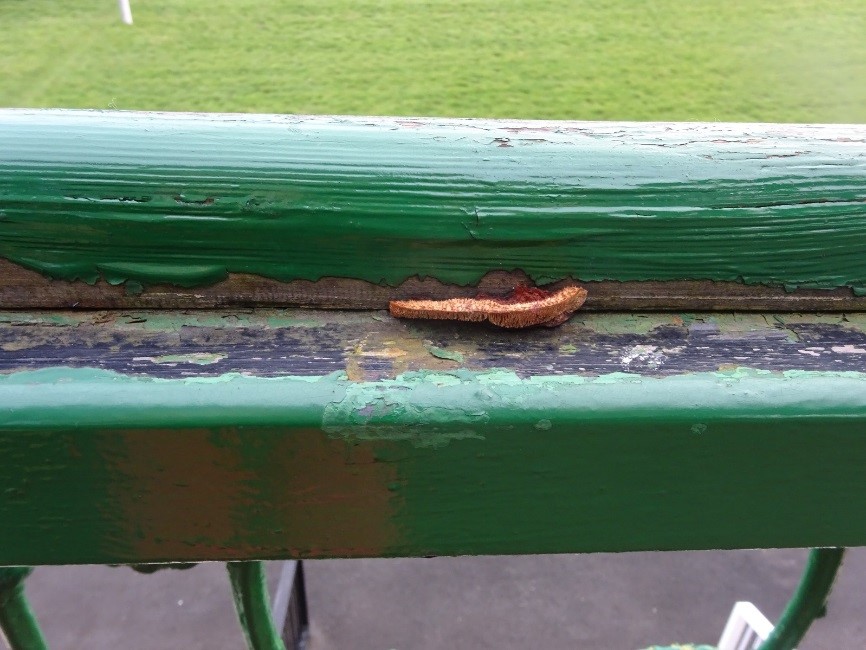
Fungi
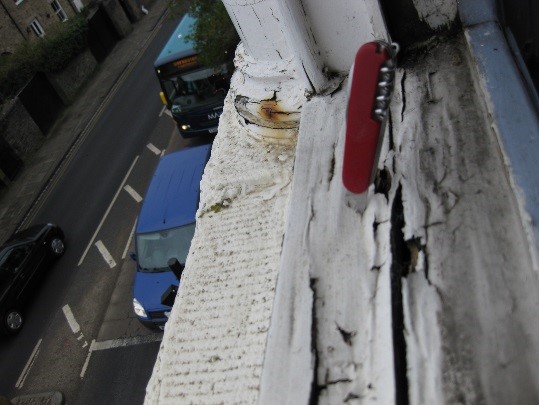
Defective chimney flashings – resulted in dry rot (Serpula Lacrymans)18 months later.
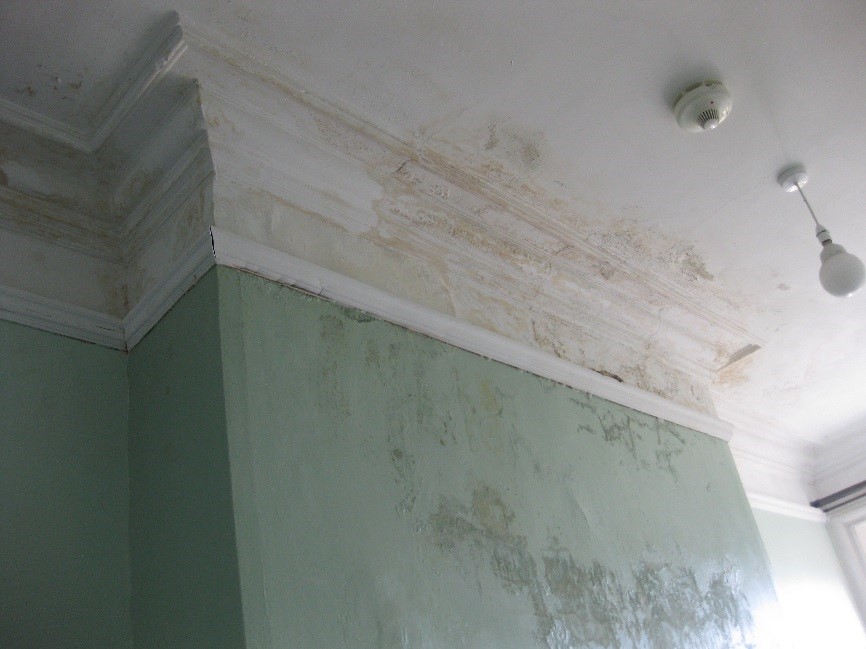
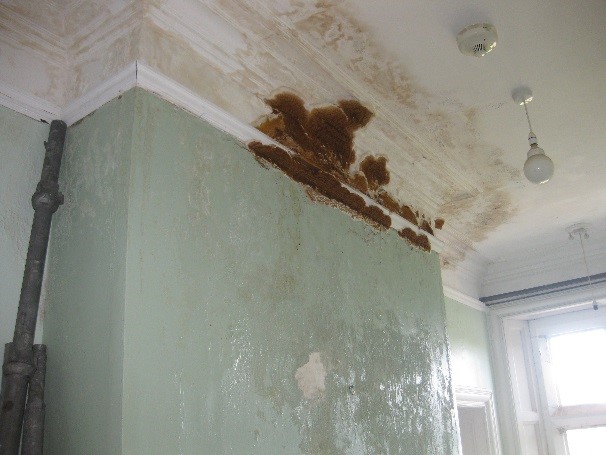
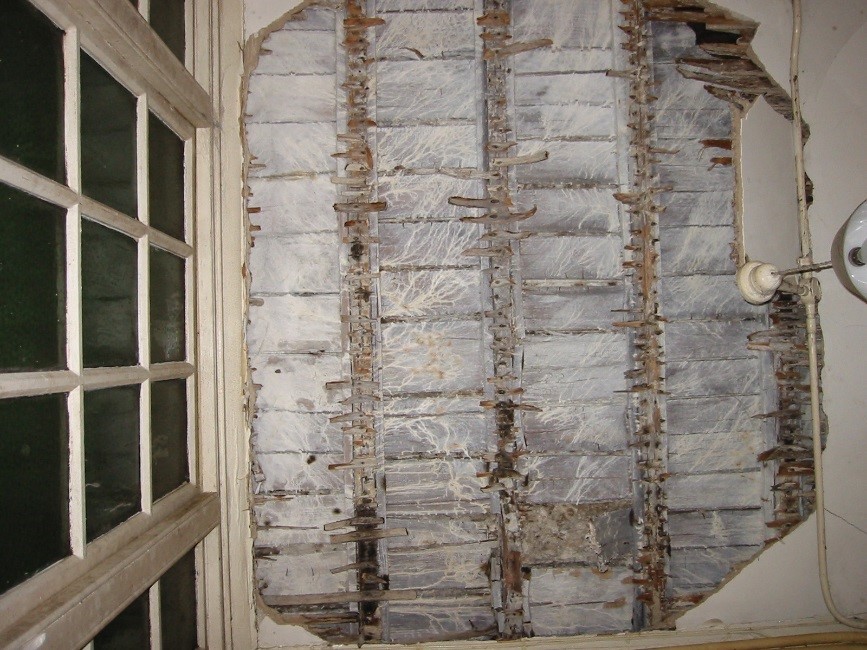


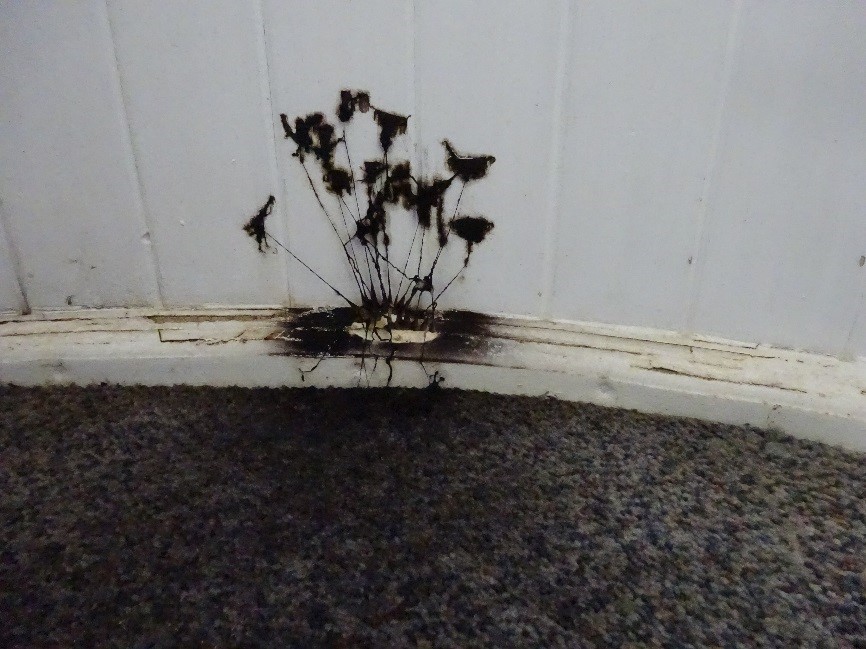
Ink-caps (Coprinus Domesticus), sometimes known as ‘plaster mushrooms’. Although not destructive like dry-rot, they are an indicator of extreme dampness and, where found in buildings, the buildings are generally either derelict or water-damaged after extinguishing a fire.

Enzymatic Bio-Weathering
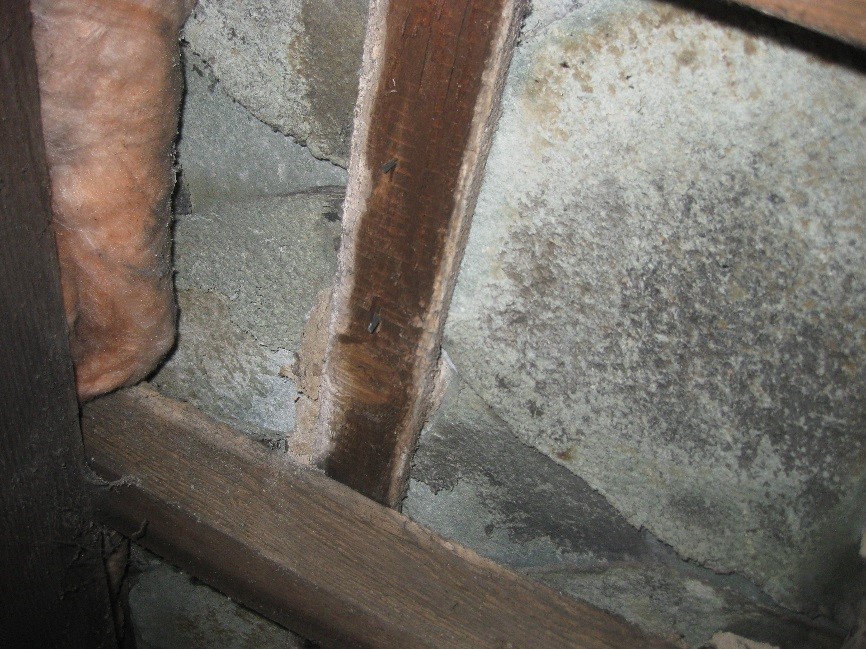
Enzymatic bio-weathering of slates – can turn them into powder from the underside.

Wood-Boring Insects
Removal of Support
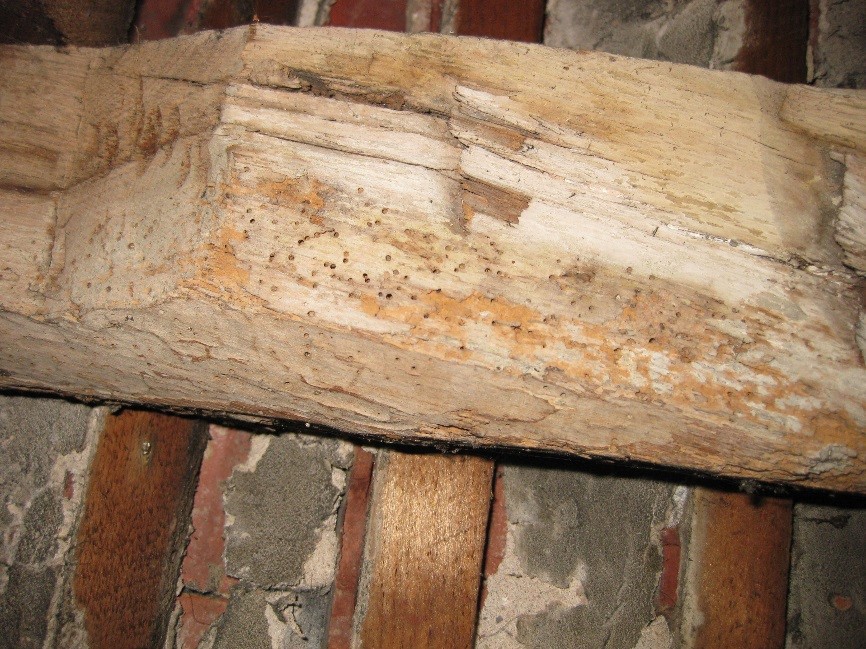
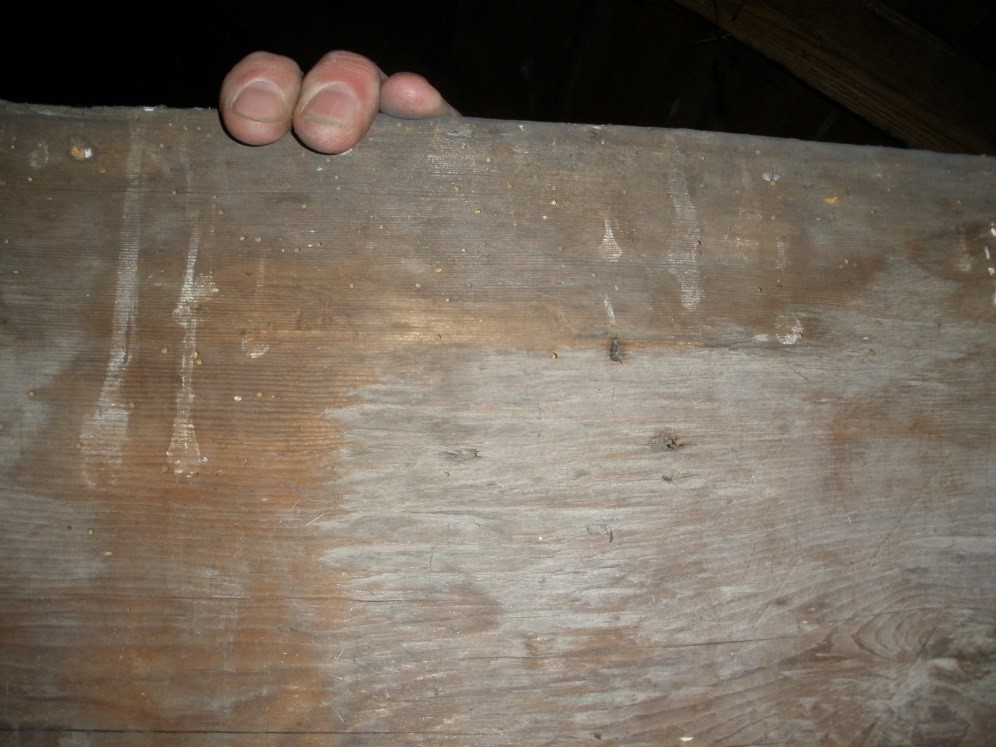
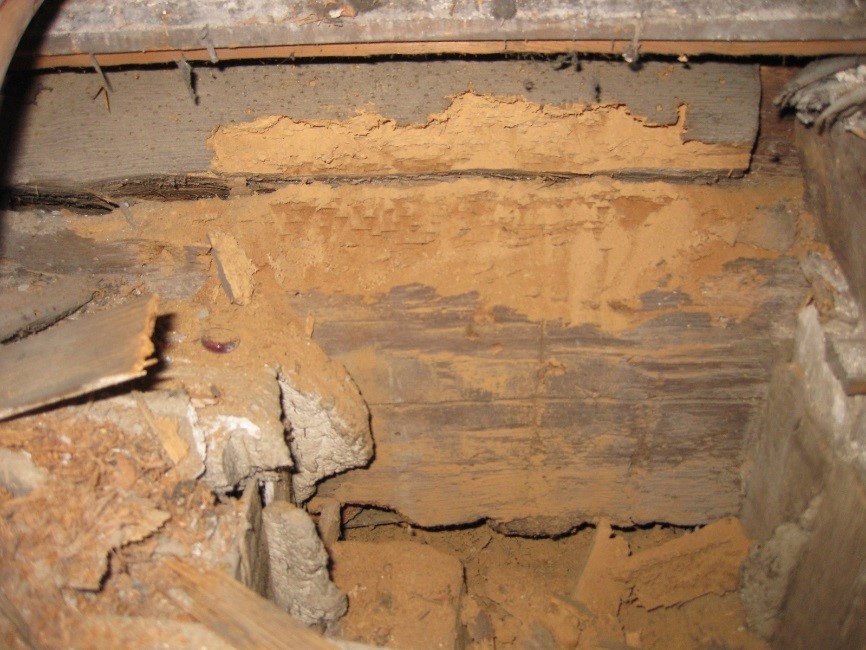
This example, in Yorkshire, resulted from wood-boring insects removing the structural integrity from beams clad in C16 plaster.




Wall Tie Failure

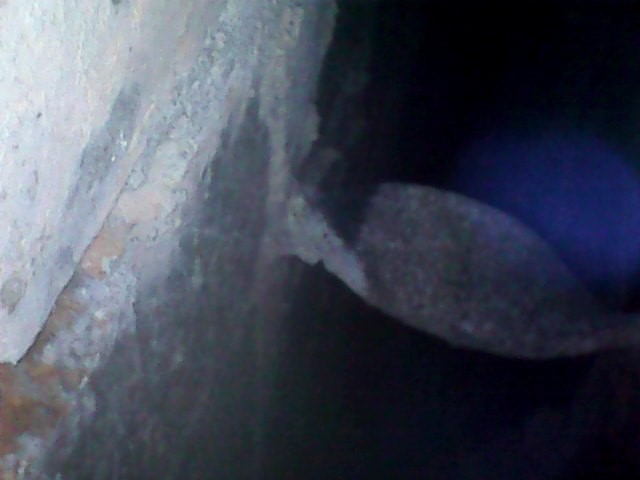
Sulphate Attack in Masonry
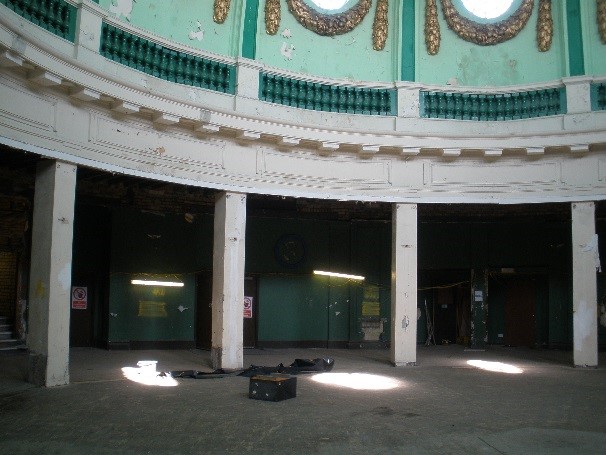
The Spanish City, Whitley Bay. This building also suffered corrosion due to the maritime environment and galvanic corrosion to its early ferrocrete dome.
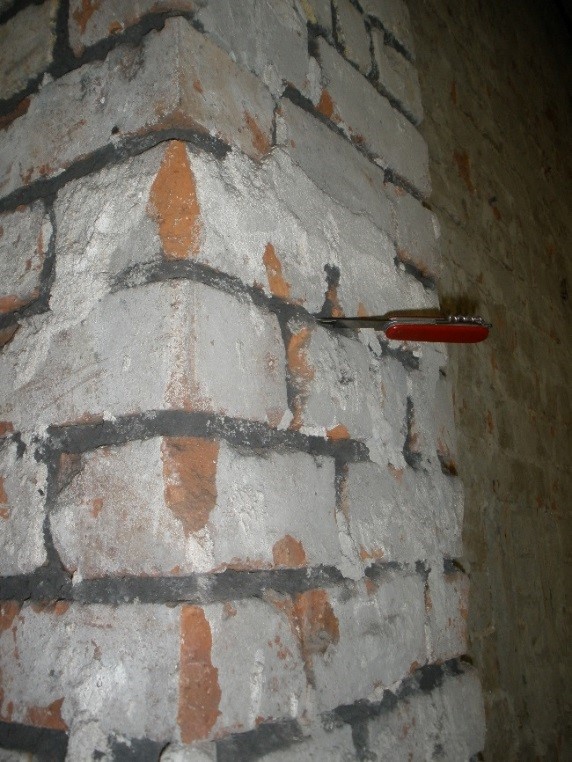
Inadequate Timbers


Failure of Injected DPC
Injected DPCs are the biggest con in the construction industry. Proven not to work – and in some cases causing actual harm – they rely entirely on tanking the interior afterwards with a renovating plaster. Mother Nature will, however, have her way … if the moisture can’t escape porous masonry through the face, it will escape elsewhere.

Defective Leadwork
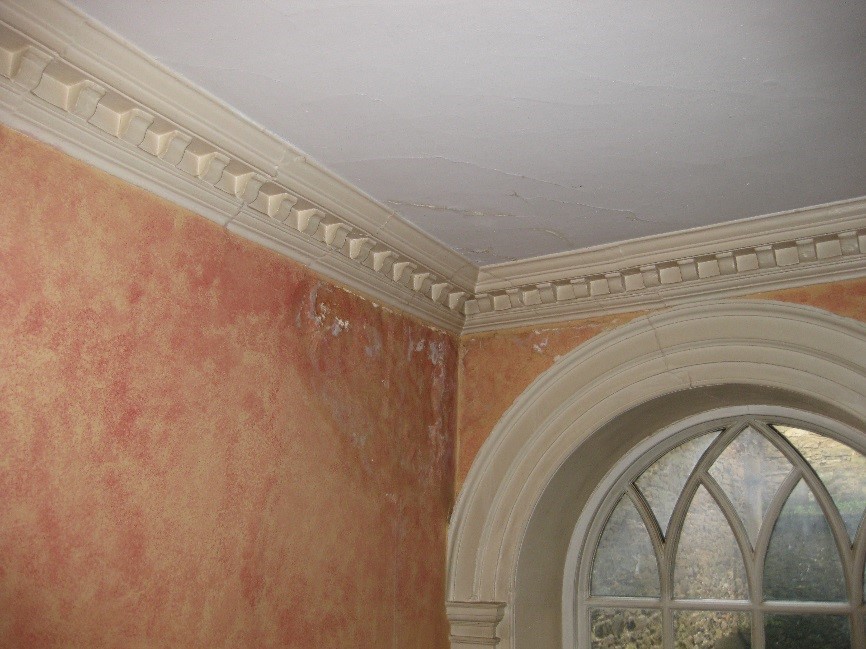
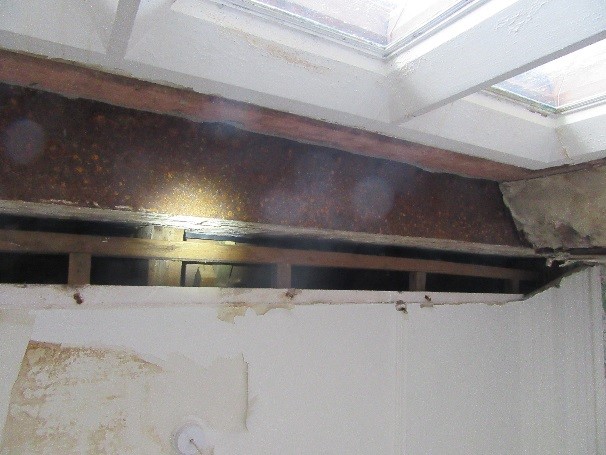
Water damage through defective leadwork

Defective Render
Cement-based renders are inadequately porous, so moisture trying to escape from masonry beneath gets trapped, freezes, and detaches the render. In this example, the masonry was painted with a waterproofing agent and coated in renders up to two inches (50mm) thick. As soon as the render was removed, the building began to dry. It will take a couple of frosty winters to remove the waterproofing agent before it can be wire-brushed and lime painted.

Face-Bedded Stone
The damage here is caused by the stone being laid the wrong way so the face spalls.


Physical damage
The instability of this building is caused by trees, in this case an overgrown Leylandii hedge.

Corroding iron is as capable of splitting stone as frost. The steel window lintel is lifting all the masonry above it.

More Case Studies
Smith & Garratt have acknowledged expertise with heritage property, regularly working on listed buildings and Scheduled Monuments. See some of our previous work.


Measured Surveys

Surveys of Non-Residential Buildings
Developments
